Daylight & Sunlight Assessments
Expert assessments to ensure new developments receive adequate natural light, comply with planning standards, and protect neighbouring properties.
Request a QuoteUnderstanding Daylight & Sunlight Assessments
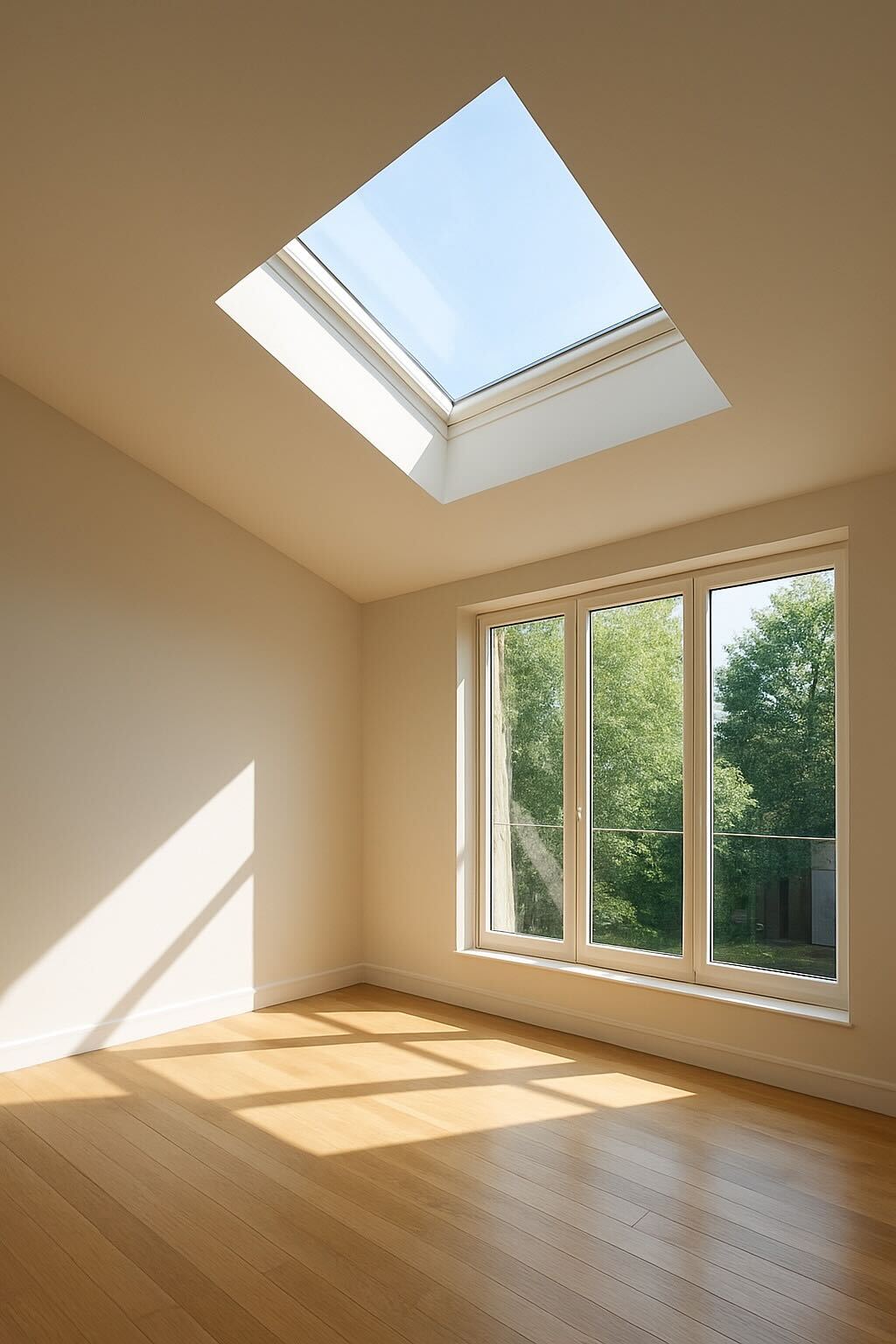
Assessments evaluate how much natural light new buildings and outdoor spaces receive. They help ensure comfortable interiors, minimise overshadowing of neighbours, and guide urban developments toward sustainable, light-filled design.
Our Assessment Process
1. Site & Design Review
Evaluate layouts, window orientation, and surrounding structures for daylight access.
2. Light Modelling
Simulate daylight (VSC, NSL) and sunlight (APSH) for rooms and external spaces.
3. Impact Assessment
Analyse potential effects on neighbouring properties and amenity spaces.
4. Recommendations
Provide mitigation strategies to optimise natural light and support planning approval.
Key Factors Assessed
- Vertical Sky Component (VSC) – Measures daylight visible from windows.
- No Sky Line (NSL) – Evaluates daylight distribution within rooms.
- Annual Probable Sunlight Hours (APSH) – Calculates sunlight exposure for rooms and gardens.
- Overshadowing – Assesses impact of new buildings on neighbours.
- External Amenity Spaces – Ensures gardens, courtyards, and playgrounds receive sunlight.
Planning Compliance
Our assessments align with BRE Guidelines (BR209) and provide evidence for local planning authorities while protecting neighbours’ access to light.
Assessment Methods
We use 3D modelling, CAD software, and advanced simulations to deliver accurate results for both new developments and existing properties.
Optimised Layouts
Position windows and rooms to maximise daylight and sunlight exposure.
Shading Solutions
Reduce glare while maintaining adequate natural light inside rooms.
Neighbour Impact Management
Minimise overshadowing of adjacent properties and amenity spaces.
Outdoor Space Enhancement
Ensure gardens and courtyards maintain usable sunlight throughout the year.
Trusted Daylight and Sunlight Experts
At A+E Consultancy Ltd, We provide clear, practical guidance to ensure your building projects meet the highest sustainability standards. As a leading energy and sustainability consultancy, we bridge regulatory requirements with practical design solutions. We help with UK building regulations like Part L, Part O, and Part G.
By reviewing your plans early, we ensure your development complies with all regulations and performs effectively over the long term. We provide straightforward reports and professional daylight and sunlight assessments, streamlining the process for both residential and commercial properties.
Expert Energy Consultant for Architects
Designers often grapple with the challenge of harmonising aesthetics with demanding carbon targets. We offer our services as a supportive energy consultant for architects, providing technical insights that enhance your design vision.
- SAP & SBEM Calculations: We conduct energy assessments to ensure compliance with regulatory requirements for residential and commercial buildings.
- Overheating Assessments: We assess developments against Approved Document Part O and provide documentation for Building Control approval.
- Daylight & Sunlight Assessments: We provide practical guidance to help you make informed design decisions without compromising your scheme’s aesthetics.
How We Work
Our fast steps save time and cut risk right from the start.
- First Check: We review your drawings to identify potential issues at an early stage.
- 3D Modelling: We use dynamic simulation software to test daylight levels, sunlight to open spaces, and impact on neighbouring buildings.
- Final Report: We send you the report you need for planning based on the UK’s most recognised guidance for daylight and sunlight assessments, BR209 updated in 2022.
We support projects of all sizes, from small residential builds to large commercial developments. Rely on our team to provide the technical foundation your project needs to succeed. Our tailored approach helps ensure each project achieves a lower environmental impact.